
Why Some Buyers Prefer Older Homes Over New Construction
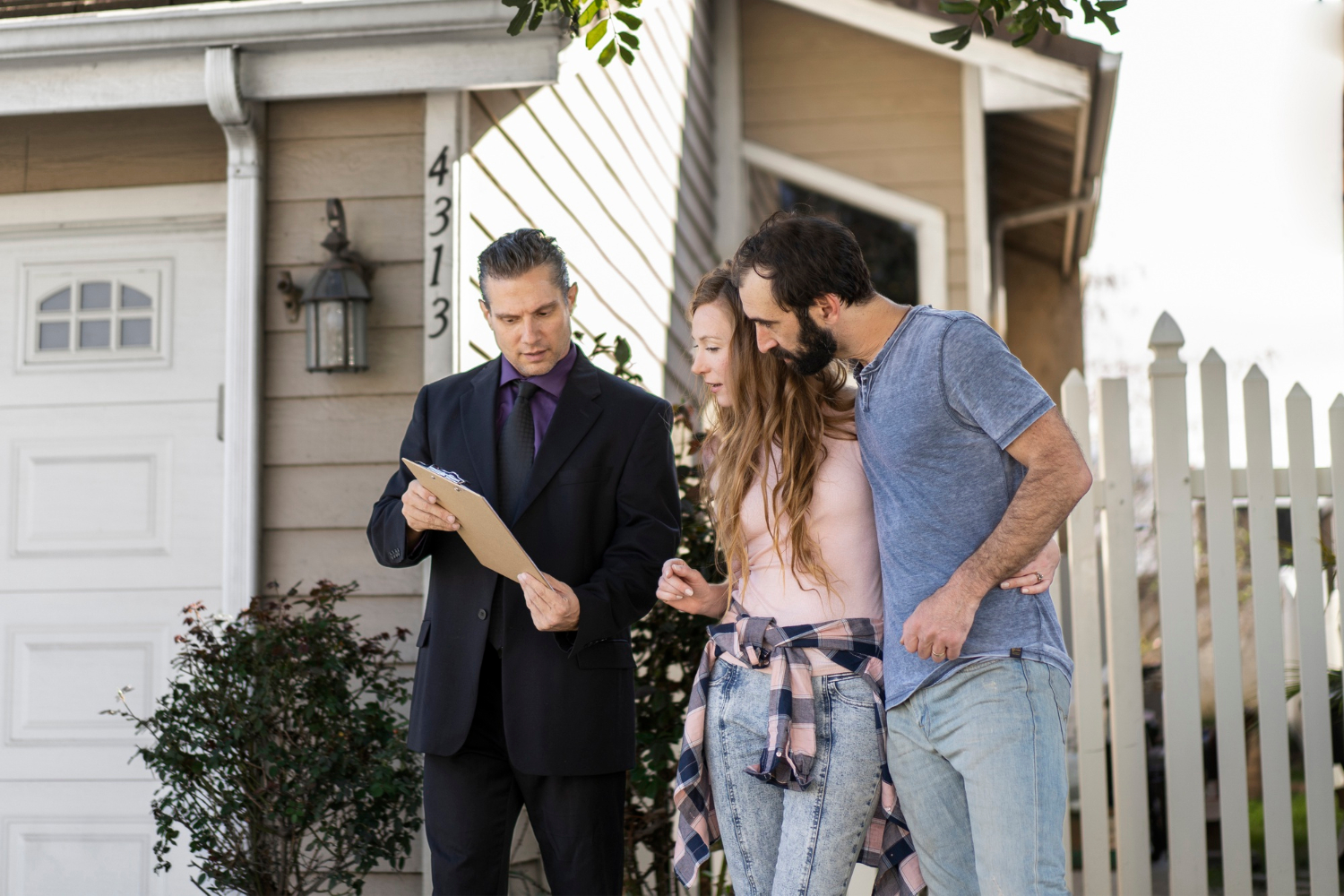
When searching for a home, many buyers face a common decision: choose a newly built house or purchase an older property. New construction often promises modern features, updated systems, and contemporary layouts. However, older homes continue to attract a large number of buyers. These properties offer qualities that newer buildings sometimes lack. Character, established neighborhoods, and historical charm often draw people toward older homes. While new houses emphasize convenience and efficiency, older properties provide a different kind of appeal. For many buyers, the decision involves more than modern amenities. It often reflects personal preference, lifestyle priorities, and long-term vision for a home.
Architectural Character and Design
One of the most noticeable features of older homes is their architectural character. Many historic houses include detailed craftsmanship that is rarely found in modern construction. Decorative moldings, hardwood floors, and distinctive exterior designs contribute to the visual identity of these homes. Builders in earlier periods often used materials and techniques that created lasting structural features. Each older property may display design elements that feel different from neighboring houses. This individuality can make a home feel special rather than identical to others in a development. For buyers who value architectural personality, older homes often provide a strong emotional connection.
Established Neighborhoods and Community Feel
Older homes are frequently located in well-established neighborhoods. These areas often developed over decades and now feature mature trees, sidewalks, and community spaces. Residents may already know their neighbors and participate in local traditions. Schools, parks, and small businesses may have been part of the area for many years. This sense of stability appeals to buyers seeking a strong community atmosphere. Living in an established neighborhood can create a feeling of belonging that newer developments sometimes take time to develop. The surrounding environment often plays an important role in a buyer’s decision.
Opportunities for Personal Customization
Older homes often provide opportunities for renovation and customization. Some buyers enjoy transforming historic properties while preserving their original character. Renovation projects allow homeowners to update kitchens, bathrooms, or living spaces according to their preferences. These improvements can blend modern convenience with traditional architecture. The process also allows buyers to express creativity in their living spaces. Renovating a property can create a sense of ownership and personal investment in the home. While renovations require planning and resources, many buyers see them as part of the homeownership experience.
Larger Lots and Outdoor Space
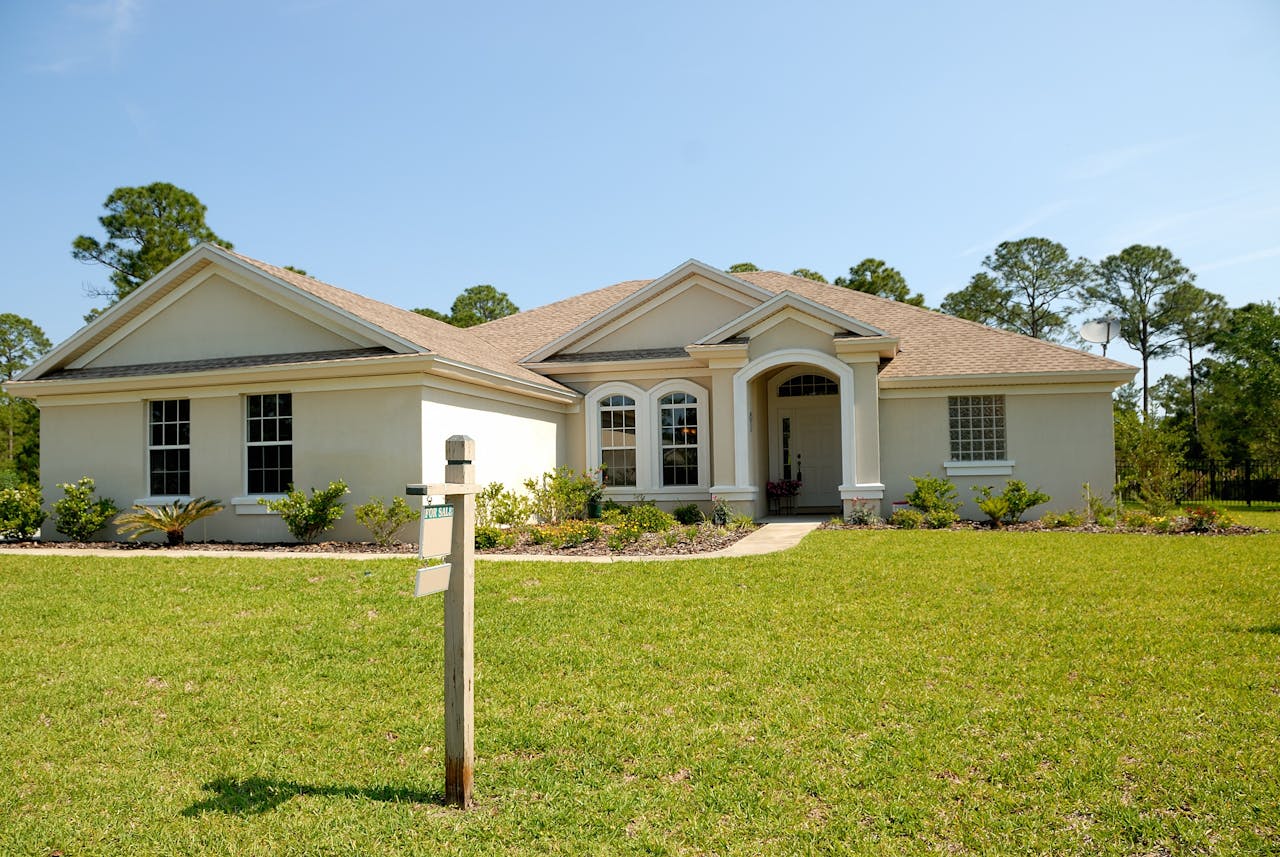
Another reason buyers choose older homes is the availability of larger lots. Many historic properties were built when land was more abundant, allowing for spacious yards and gardens. In contrast, newer developments sometimes prioritize maximizing housing density. This approach can result in smaller outdoor areas and homes built closer together. Larger yards offer more flexibility for landscaping, outdoor seating, or gardening. Families with children or pets may appreciate the additional space for recreation. For buyers who enjoy outdoor living, older properties often provide opportunities that are difficult to find in newer construction.
Perceived Construction Quality
Some buyers believe older homes were built with durable materials and careful craftsmanship. While building standards vary by period, certain historic houses have remained structurally sound for many decades. Thick walls, solid wood framing, and traditional building methods contribute to this perception. These features often create a sense of durability and reliability. Buyers sometimes feel that these materials offer lasting value. Even when updates are needed, the core structure of older homes may remain strong. This perception of durability encourages many buyers to consider older properties as long-term investments.
Balance the Charm With Modern Needs
Despite their advantages, older homes may require updates to meet modern expectations. Electrical systems, plumbing, and insulation sometimes need improvement. Buyers must evaluate whether renovation costs align with their budget and long-term plans. Careful inspections help ensure that structural issues are addressed before purchase. Many homeowners successfully combine historic charm with modern upgrades. Updated appliances, improved energy efficiency, and renovated interiors can coexist with original architectural features. This balance helps ensure the home remains comfortable while preserving its distinctive character.
Older homes continue to attract buyers because they offer qualities that extend beyond modern convenience. Architectural charm, established neighborhoods, larger outdoor spaces, and renovation opportunities all contribute to their appeal. While new construction provides efficiency and contemporary design, older homes often provide personality and history. Buyers who appreciate craftsmanship and community atmosphere frequently find these properties especially appealing. Choosing between older homes and new construction ultimately depends on individual priorities. For many people, the character and story behind an older home make it a meaningful place to live.…