
Mistakes to Avoid When Painting Your Home’s Interior Doors
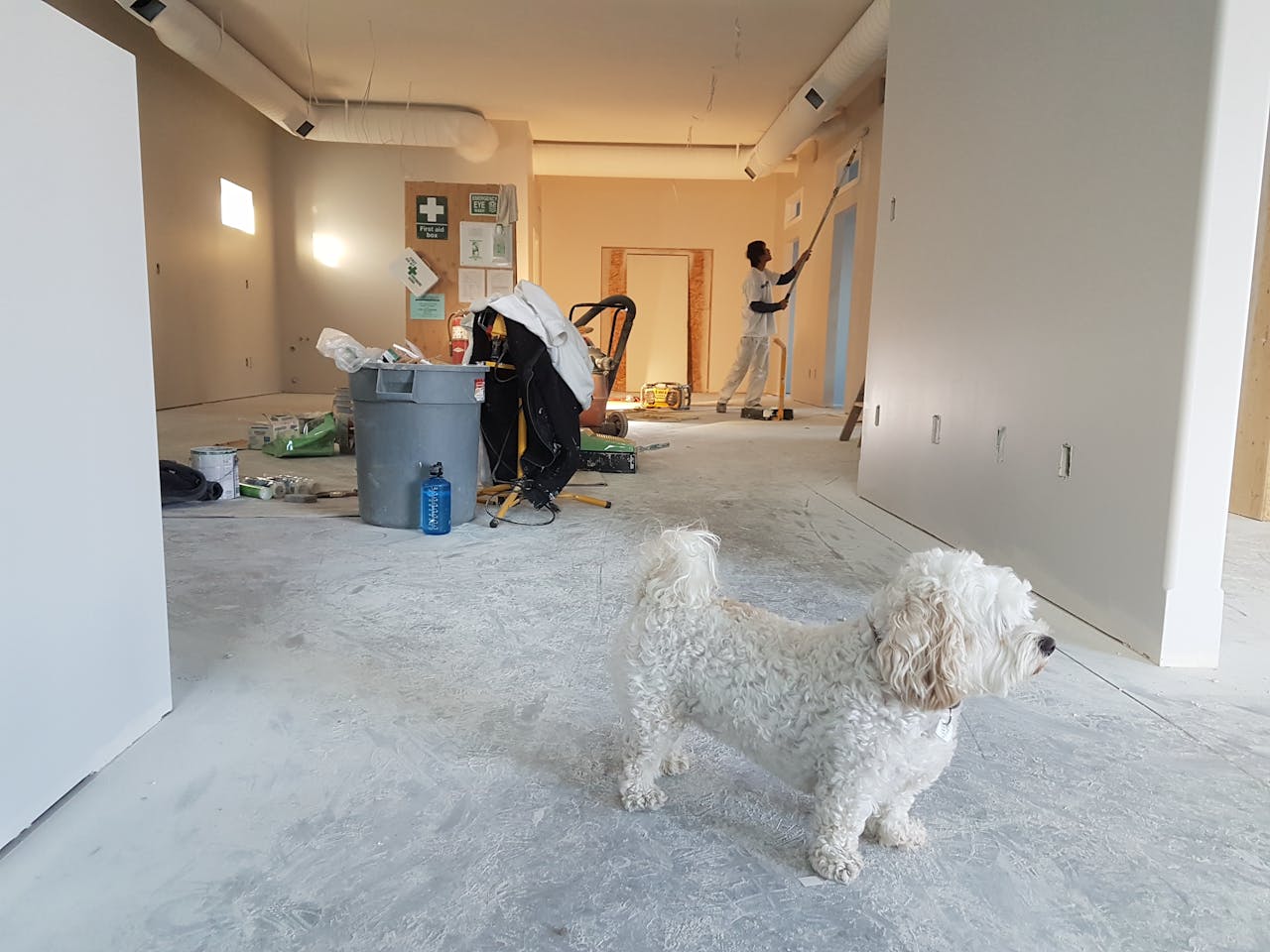
Painting interior doors might seem like a simple weekend DIY project, but small oversights can quickly lead to a messy finish or a job that doesn’t last. Doors see a lot of daily wear, and without proper preparation and technique, your fresh coat of paint could chip, streak, or peel within weeks. You also need to find the best color to paint interior doors in your home. If you’re ready to give your home a polished new look, avoiding common mistakes is just as important as choosing the right color.
Skipping Surface Prep
One of the biggest mistakes homeowners make is painting directly over a dirty or glossy door. Dust, oils, and old finishes prevent paint from adhering properly. Always clean the door with a degreasing solution and sand the surface lightly before you begin. If the door has an existing glossy coat, sanding becomes even more essential to allow the new paint to grip.
Not Removing the Door or Hardware
While it’s tempting to paint the door in place and just work around the knobs and hinges, this often results in drips, uneven edges, and missed spots. Removing the door and laying it flat can give you more control and help prevent runs or sagging paint. Taking off the hardware or taping it carefully also ensures a clean, professional-looking result.
Using the Wrong Type of Paint or Finish
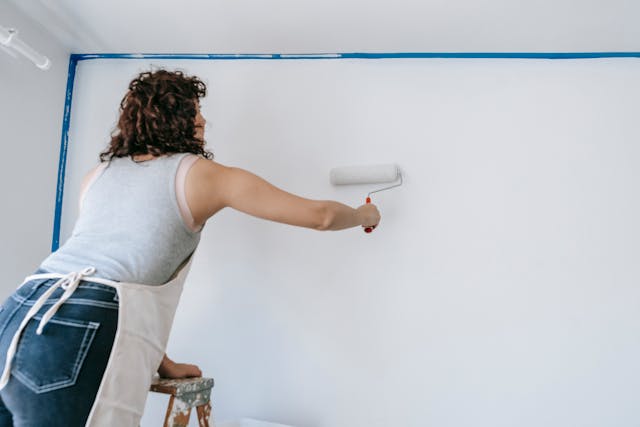
Doors require a durable finish that can withstand frequent use. Flat or matte paints may look great on walls but can scuff easily on doors. Semi-gloss or satin finishes are more resistant to wear and easier to wipe clean. Also, be sure to use paint formulated for trim and doors, as it’s designed to hold up better to handling and contact.
Skipping Primer on Bare Wood or Stained Doors
If your door is bare wood or has been stained, applying paint without primer is a recipe for poor coverage and blotchy results. Primer seals the surface and creates a uniform base, allowing the color to go on evenly. It also helps block stains from bleeding through lighter paint shades. Don’t skip this step unless you’re painting over an already well-prepared, painted surface.
Rushing the Process
Trying to finish everything in one go without allowing proper drying time can cause brush marks, tacky surfaces, or paint that pulls off when touched. Allow adequate drying time between coats—especially in humid conditions—and avoid closing the door too soon. Follow the manufacturer’s instructions for drying and curing, not just what looks dry to the eye.
Conclusion
Painting your home’s interior doors can refresh your space and add a crisp, clean feel—if done right. Avoiding common mistakes like skipping prep, using the wrong paint, or rushing the process ensures a durable, smooth finish that enhances your home’s look for years to come. With the right approach and a bit of patience, your interior doors can go from scuffed and dull to a standout feature.…
 People have different feeling or emotions which they want to put in a home. Without the experience, these things are difficult to accomplish. When your work is done by professional, it’s more creative, and the designer understands the dreams of emotions. A client can just tell his thoughts to implement, ones their vision of each room; then decorator helps them to achieve the best result.
 The Interior decors know which color full sheets or titles can make your corners of the room stylish. Which way the book shell of office or home can look better than old times? Which painting can make you feel good and its right place to hang? The Antiques of accent times give a classic look to your home and which a décor can tell you what to get.